Barcode: A Handwritten Font for Digital Design Magic
I recently had the chance to test out Barcode, a new handwritten font I stumbled upon while working on a client’s boutique website. The goal was to inject some warmth and personality into their brand without sacrificing readability or modern aesthetics. As a web designer who often balances creative flair with usability, I knew that finding the right typeface would be key. Barcode didn’t just meet expectations—it exceeded them.
First Impressions: Warmth in Every Curve
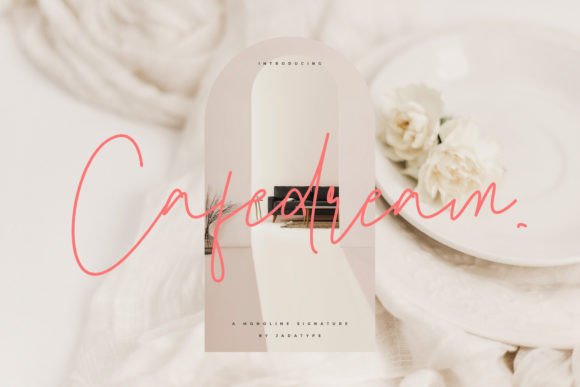
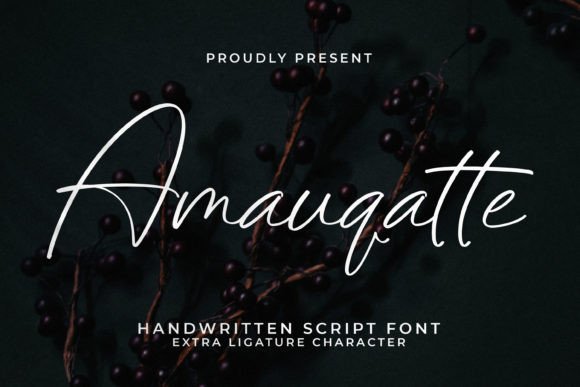
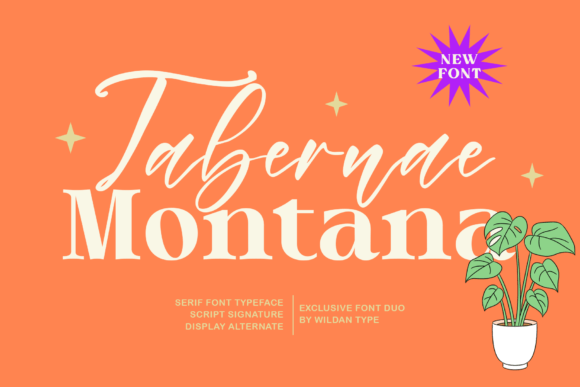
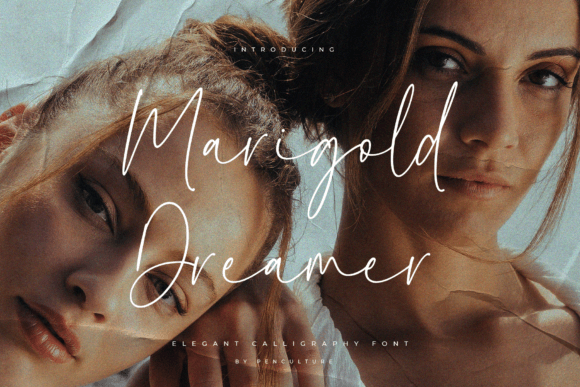
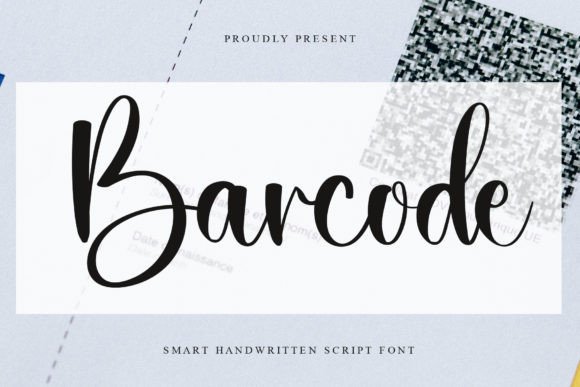
When I first opened the font file, what struck me was how natural it felt. It’s not an over-the-top script, nor is it too casual. Instead, Barcode strikes a perfect balance between elegance and approachability. The characters flow smoothly, with subtle variations in stroke weight and spacing that mimic real handwriting but stay consistent enough for digital use. It has a romantic, almost nostalgic feel—ideal for brands that want to communicate sincerity, creativity, or artisanal charm.
As a script font, it’s clearly meant for display purposes. But what makes Barcode special is how well it adapts across screen sizes and formats. I tried it in a hero section of a mockup, then checked it on mobile, and it still read cleanly. That’s rare for a handwritten typeface.
Using Barcode in Web Layouts: Where It Shines
One of the first places I dropped Barcode was into a landing page headline for a lifestyle blog. The header needed something bold yet inviting, and Barcode fit like a glove. Its character set includes several alternates and ligatures that give the text a more organic, handcrafted look—perfect for editorial design or content-driven sites.
Next, I tested it on a product banner for an online store selling handmade candles and soaps. The title “Hand-Poured with Love” became even more heartfelt when rendered in Barcode. It added a layer of authenticity that made the products feel more personal. I also used it for a call-to-action button (“Shop Now”), and despite being a small size, it remained legible and visually appealing.
For image overlays, such as promotional banners and campaign pages, Barcode performed exceptionally well. When placed over textured backgrounds or soft gradients, it maintained clarity thanks to its generous x-height and open apertures. This kind of adaptability is essential in responsive web design where contrast and background can vary dramatically across devices.
Responsive Readability: Mobile-Friendly Script
Many script fonts fall apart on smaller screens, but Barcode holds up surprisingly well. I resized the same headline from 64px down to 24px and found that it still retained its charm. However, I did notice that at 18px and below, the fine details start to blur slightly, especially on high-contrast or grainy images. For mobile buttons or navigation menus, I recommend pairing it with a clean sans serif font to maintain hierarchy and usability.
In terms of accessibility, I ran a few quick tests using tools like Stark and found that as long as there’s sufficient contrast between the text and background, Barcode remains readable. I’d avoid using it in dense UI elements like form labels or dashboard copy, but for branding and headlines, it works beautifully.
Brand Identity and Typography Harmony
Typography plays a big role in shaping brand identity, and Barcode adds a touch of human warmth to otherwise sterile layouts. On a coaching website I redesigned, placing it beside a minimalist sans serif body font created a striking visual contrast. The combination gave the site a balanced yet creative edge—just what the brand needed to stand out in a crowded space.
I’ve seen many clients struggle with choosing a font that feels both professional and personable. Barcode solves this by offering a premium script style that doesn’t compromise on clarity. Whether you’re designing a portfolio homepage, a course sales page, or a digital print shop, this font helps create a memorable first impression.
It’s also incredibly useful in creating digital brand kits. Clients love having options for headers, subheaders, and accents that all tie back to a cohesive theme. With Barcode, you can build a typographic system that feels authentic and versatile.
Font Pairing Suggestions for Web Projects
- Minimalist Sans Serif: Think Helvetica Neue or Montserrat. These keep the layout grounded while letting Barcode shine in headers and titles.
- Simple Serif: If the brand leans more towards editorial or literary tones, pairing Barcode with Georgia or Lora gives a classic-meets-modern vibe.
- Bold Display Fonts: For a bolder aesthetic, try combining it with a geometric sans serif like Bebas Neue or a slab serif like Playfair Display. Just make sure the scale and weight differences are clear to preserve hierarchy.
The font’s included alternates and swashes offer flexibility for logo design and decorative accents. I particularly liked the optional ligatures that helped tighten up phrases like “Welcome Home” or “Our Story,” making them feel more connected and intentional.
Practical Considerations for Web Designers
Before integrating Barcode into any project, I always check the available styles and file formats. In this case, the font comes in multiple weights and includes web-ready formats like WOFF and WOFF2, which is a huge plus for performance and cross-browser compatibility. The multilingual support is solid, covering most Western European languages, which is great for international clients or global campaigns.
On the licensing side, it’s important to confirm whether the font allows for commercial use if you're building websites for clients or managing an online store. Barcode does have a commercial license, which means I can confidently use it in projects that will go live and generate revenue.
Another thing I appreciate about Barcode is its attention to detail in spacing and kerning. Even though it’s a handwritten font, it reads consistently across different browsers and platforms. That kind of polish is often missing in similar script fonts, making Barcode a reliable choice for anything from social media graphics to blog headers.
Where Not to Use Barcode (And Why)
While Barcode is a joy to work with in many contexts, it’s not the best fit for every part of your site. Avoid using it in long paragraphs of body text. The cursive nature and irregular spacing can make reading difficult, especially for users skimming content quickly.
Also, don’t rely on it for small navigation text or interactive elements like dropdown menus. Those areas need fonts that are easy to parse at a glance. Save Barcode for headlines, hero sections, and branded visuals where its personality can take center stage.
If you're building a SaaS dashboard or anything requiring technical precision, stick to simpler typography. Barcode is more of a mood font than a utility one, and knowing when to let it breathe versus when to step aside is key to effective design.
Design Assets and Creative Uses Online
Barcode isn’t just good for headlines. I’ve used it in digital templates, email headers, and even short quote cards for a client’s wellness blog. The font’s emotional appeal really shines in these kinds of micro-content moments, helping to reinforce the brand’s voice and values.
For e-commerce stores, I found it ideal for product previews and shop listings. When previewing candle packaging or greeting card designs, using Barcode in the title area made the items look more curated and handpicked. It subtly elevated the perceived quality of the products without overwhelming the design.
One of my favorite uses was in a farmhouse-themed website where I paired it with muted colors and wood textures. The result was a warm, inviting digital experience that felt like walking into a cozy studio. It's a reminder that the right typeface can influence the entire tone of a site.
Speed and Performance Tips
Since I’m always mindful of load times, I checked the font’s performance in Google Fonts’ optimization tool and found it to be reasonably lightweight. It loads fast enough for most websites, especially when compared to other decorative scripts. For optimal speed, consider using subsetting if you’re only displaying a portion of the character set, like in a logo or specific header.
Also, remember to optimize fallback fonts. While Barcode looks amazing, always define a secondary option in your CSS stack—like a simple sans serif—to ensure your layout stays intact if the font fails to load.
Final Thoughts from a Designer’s Perspective
Barcode is one of those fonts that feels like it was made specifically for people who value both function and feeling in their design choices. It brings a handwritten, personal touch to digital spaces, which is increasingly rare in our pixel-perfect world. Whether you're crafting a boutique online store or building a creative portfolio site, this font adds a level of sophistication that’s hard to ignore.
Its versatility makes it a strong contender in the world of creative fonts. From wedding invitation landing pages to seasonal product banners, Barcode adapts gracefully. And because it’s a premium font with commercial permissions, you can trust it won’t hold your project back legally or stylistically.
So next time you're looking for a script font that blends romance with readability, consider giving Barcode a try. You might just find it becoming a staple in your web design toolkit.